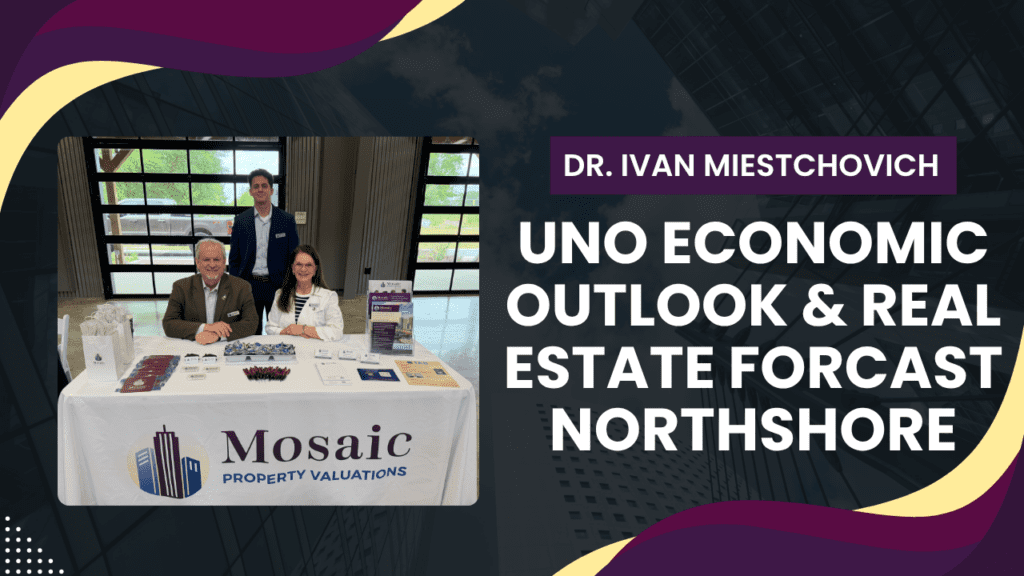
The Northshore continues to experience steady growth and evolving market conditions across residential real estate, commercial development, and regional economic activity. Industry leaders from across Louisiana recently gathered to discuss many of the opportunities and challenges shaping the future of the region. Throughout the discussions, several common themes emerged, including housing shortages, infrastructure investment, workforce development, insurance affordability, and long-term economic growth.
What stood out most throughout these conversations was the balance between optimism and realism. While panelists acknowledged the very real pressures facing both developers and consumers, there was also a strong sense that the Northshore is positioning itself for continued long-term expansion. From growing population trends and industrial investment to workforce development and regional collaboration, the discussions highlighted how closely connected housing, infrastructure, and economic development have become across Southeast Louisiana.
Residential Real Estate Challenges & Opportunities
This panel featured Steven Hayes, Larry Kornman, Larry Schedler, and Leslie Victory. The discussion focused heavily on the growing disconnect between housing supply and buyer demand throughout the Northshore region.
One of the primary concerns raised by the panelists was not simply a shortage of housing, but a mismatch between the types of housing buyers need and what is currently available within the market. In areas such as St. Tammany Parish, there remains a limited supply of duplexes, townhomes, and smaller multifamily developments. While zoning and building regulations have gradually evolved over time, approval timelines and development restrictions continue to create significant barriers for developers. In many cases, projects can take nearly two years before construction is even able to begin.
Affordability remains another major challenge throughout the region. Rising construction costs continue to outpace what many buyers or renters can realistically afford, making affordable housing projects difficult to justify financially. Panelists emphasized that clearer guidance surrounding zoning regulations and development requirements could help developers better understand project costs upfront and make more informed investment decisions.
A major topic throughout the discussion was the growing concern surrounding the “missing middle” housing segment. According to the St. Tammany Housing Study, the parish is projected to face a substantial housing shortage through 2030 if additional density and development opportunities are not created. Without more workforce and middle-income housing, many residents may ultimately be forced to seek housing opportunities elsewhere, potentially limiting long-term economic growth within the parish.
Buyer and seller expectations also continue to shift alongside changing market conditions. Many buyers remain highly focused on interest rates and often view current rates as unusually high, despite them being more aligned with historical averages. At the same time, some sellers are still influenced by the pricing environment seen during the COVID-era housing surge, creating disconnects between asking prices and current market realities.
Multifamily development was another major point of discussion. St. Tammany Parish currently has approximately 8,500 multifamily units compared to nearly 63,000 units in New Orleans. Much of this difference stems from zoning limitations and density restrictions. Panelists noted that allowing more units per acre could help improve affordability while also increasing the overall housing supply throughout the parish.
Despite these challenges, there remains optimism surrounding future growth along the I-12 corridor, where both job creation and private investment activity continue increasing. However, panelists repeatedly emphasized that economic growth and workforce expansion cannot be sustained without additional housing development to support the region’s growing population.
Commercial Real Estate Market Trends
The Commercial Real Estate Panel featured Cody Gibbs and Paul Hendershot of the CoStar Group. The discussion provided insight into how population growth, shifting workplace trends, and redevelopment efforts are continuing to shape the Northshore commercial real estate market.
One of the more encouraging trends discussed was the Northshore’s continued population growth over the past two years. This steady growth has helped support demand throughout several sectors of the market, particularly retail and residential development.
Panelists also discussed how the federal government recently separated the Northshore from the New Orleans Metropolitan Statistical Area for reporting purposes. Despite this distinction, both regions have continued to perform similarly within the retail sector, where vacancy rates have remained relatively low at approximately 3 to 4 percent.
The office market, however, continues facing additional challenges. Like many markets across the country, St. Tammany Parish is still adjusting to the long-term effects of remote and hybrid work environments. Companies continue reevaluating their office space needs, and in many cases are downsizing their footprints as workplace flexibility becomes more common.
Retail properties are also experiencing a period of adjustment. Large store closures involving retailers such as Big Lots, Conn’s, and Joann’s have added significant amounts of available space back into the market. At the same time, panelists noted that national retail openings and closures have begun balancing out, helping stabilize overall retail conditions.
One positive trend highlighted throughout the discussion was the growing focus on adaptive reuse and redevelopment. The city of New Orleans has increasingly converted older office buildings into multifamily housing and coworking environments, helping keep aging properties functional while adapting to changing market demands. These types of redevelopment strategies could continue becoming more important as amongst the Northshore and developers may look for ways to modernize existing inventory.
Within the industrial sector, absorption rates have remained relatively stable at approximately 3 percent, consistent with previous years. Much of the industrial market remains concentrated along the Mississippi River corridor, where approximately 35 percent of industrial properties are located within a two-mile stretch. This concentration continues reinforcing the importance of the river and surrounding infrastructure to the broader regional economy.
Economic Development Across the Northshore
This panel featured Dr. Ali Bustamante, Robby Miller, Russell Richardson, and Ryan Seal. The discussion centered around infrastructure, workforce development, regional collaboration, and the long-term growth potential of the Northshore region.
Tangipahoa Parish President Robby Miller discussed its ongoing efforts to establish a more formal zoning framework designed to provide developers with clearer expectations and faster decisions. Rather than allowing projects to remain tied up in lengthy approval processes, parish leadership emphasized the importance of responding quickly so developments can either move forward or be declined without unnecessary delays.
A recurring theme throughout the discussion was the growing collaboration between parishes. Historically, many areas across Louisiana operated in competition with one another when pursuing economic development opportunities. However, local leaders now increasingly recognize that investment in one parish often creates economic benefits for surrounding communities as well.
Washington Parish President Ryan Seal expressed strong optimism surrounding growth tied to the I-12 corridor and future connectivity improvements toward Bogalusa. The corridor itself plays a major role within the regional economy, supporting an estimated $149 billion in GDP activity between the I-10 and I-12 routes.
Infrastructure and workforce development were also major focal points throughout the panel. Across the Northshore, there is increasing emphasis on strengthening relationships with technical schools, community colleges, and workforce training programs. Many companies are becoming more involved in workforce development earlier in the education process as demand for skilled labor continues growing.
Another important takeaway was the growing focus local leadership is placing on community engagement and quality of life. Rather than focusing solely on attracting outside investors, parish leaders discussed the importance of understanding the needs of current residents and maintaining the close-knit character many Northshore communities value.
Panelists also emphasized that quality of life plays a major role in attracting future investment. Site selectors and developers are increasingly looking beyond demographics and economic reports by visiting local businesses, restaurants, and community spaces firsthand. Hearing directly from residents about what makes an area desirable can often become an important factor when companies evaluate where to invest.
Financing, Insurance, & Housing Affordability
The final discussion featured Dr. Ali Bustamante, Greg Brown, Aaron Champagne, and Matthew Helling. Much of the conversation focused on how interest rates, insurance premiums, and affordability pressures continue impacting today’s housing market.
Panelists noted that concerns surrounding interest rates have shifted in recent months, with many buyers now seeing lenders become more flexible compared to earlier periods when financing conditions were significantly tighter. Certain buyers, particularly those with professional degrees, may also qualify for specialized loan programs offering little to no down payment assistance, helping some homes move more quickly within the market.
Insurance, however, continues to create major affordability challenges. Buyers are often surprised by the actual cost of premiums, especially when online estimates differ significantly from formal underwriting quotes. For many households already stretching financially to qualify for a mortgage, insurance costs can become the deciding factor that pushes a home outside their budget.
The discussion also highlighted how insurance savings are often more noticeable for buyers with stronger financial positions or larger down payments. Smaller improvements to a property can also help expand the number of insurers willing to write coverage, potentially creating more competitive pricing opportunities.
Panelists additionally noted how certain construction features, such as hip roofs rather than gable roofs, may help reduce insurance premiums by approximately 15 percent in some cases. These types of property characteristics are becoming increasingly important as buyers and developers look for ways to manage long-term ownership costs.
A major takeaway throughout the discussion was that the housing shortage is not simply about supply, but also affordability and pricing alignment. In some cases, homes are entering the market at price points where there are simply too few qualified buyers available. As interest rates, insurance costs, and construction expenses continue evolving, affordability will likely remain one of the most important issues shaping the future of the Northshore housing market.
Conclusion
Across each panel discussion, a common theme emerged that the Northshore region is experiencing both steady growth and significant transition. Population increases, infrastructure investment, workforce development, and regional collaboration are all helping position the area for long-term economic expansion. At the same time, challenges surrounding housing affordability, zoning restrictions, insurance costs, and workforce housing shortages continue placing pressure on both residents and developers.
One of the more encouraging takeaways from the event was the growing emphasis on collaboration rather than competition between parishes. Local leaders increasingly recognize that economic growth within one area often benefits the broader region through job creation, infrastructure improvements, and increased investment activity.
The discussions also reinforced how interconnected housing, commercial development, infrastructure, and workforce development have become throughout Southeast Louisiana. As the Northshore continues growing, maintaining quality of life while supporting responsible development will likely remain one of the region’s most important priorities.
Overall, the event reflected cautious optimism about the future of the Northshore. While several long-term challenges remain, continued investment, stronger regional cooperation, and a focus on sustainable growth could help position the region for continued economic success over the next decade.